

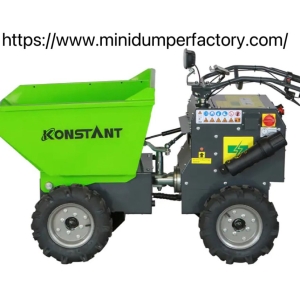
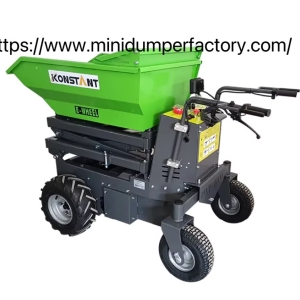


Mini Dumper Factory selection requires careful attention to equipment suitability, production arrangements, and communication before an order is confirmed. For importers, distributors, contractors, and rental businesses, choosing a suitable manufacturing partner starts with understanding the actual job requirements. Reviewing specifications, inspection procedures, customization options, and after-sales arrangements can help buyers make decisions based on practical information rather than appearance or price alone.
Define the Work Before Comparing Models
Every purchasing decision should begin with the intended application. Construction projects may involve moving sand, gravel, bricks, or demolition debris, while landscaping and agricultural work may require transporting soil, fertilizer, timber, or garden waste.
Prepare a list of the materials to be transported, their approximate weight, the expected daily workload, and the distance between loading and unloading points. Also consider whether the machine will operate on paved surfaces, muddy ground, gravel paths, or sloping terrain.
Site access is another important factor. Measure narrow entrances, pathways, turning areas, and storage spaces before selecting a model. These measurements help determine whether the machine can reach the required work area and maneuver safely during routine operations.
Providing this information early gives the manufacturer a clearer understanding of the application and helps narrow down suitable configurations.
Compare Load Capacity and Machine Dimensions
Rated payload and hopper volume should be reviewed together. A large hopper may hold lightweight materials without reaching the rated load, while dense materials such as gravel can reach the weight limit before the hopper is full.
Buyers should confirm the rated payload, hopper dimensions, overall machine size, ground clearance, and unloading method. The selected configuration should suit both the materials being moved and the available working space.
Drive type also matters. Tracked equipment may suit certain soft or uneven surfaces, while wheeled models may fit applications involving firmer ground and regular movement between work areas. The right choice depends on the site conditions, operating requirements, and model specifications.
Ask for a technical sheet for each model under consideration. Written specifications make comparisons easier and reduce the risk of misunderstandings about the equipment included in a quotation.
Ask About Assembly and Inspection Procedures
Product appearance alone does not explain how equipment is assembled or checked before shipment. Buyers should ask about the inspection steps used during production and the checks completed before packing.
Depending on the model, relevant points may include engine operation, control response, tipping functions, visible hydraulic connections, fasteners, track or tire condition, and accessory installation.
For bulk orders, clarify whether each unit follows the same agreed specification. Differences in accessories, labels, dimensions, or optional features can create difficulties for distributors managing stock across several customer orders.
Buyers who cannot visit the production site may request current photographs, recorded operating tests, or a live video inspection. These materials can provide additional visibility, although written specifications and agreed inspection criteria remain important.
Before shipment, confirm what inspection evidence will be supplied and how any identified issue will be handled.
Confirm Customization Requirements in Writing
Some buyers need equipment prepared for a particular market or distribution channel. Requests may involve body color, logo placement, packaging, labels, accessories, or selected technical configurations.
Discuss these details before confirming the order. Ask whether the requested changes affect production time, pricing, minimum quantities, or packaging arrangements.
A written specification sheet can record the agreed configuration, dimensions, included components, and customization details. Both parties can use this document as a reference during production and final inspection.
For repeat orders, keeping a copy of the approved specification can also simplify communication. Buyers can identify any requested changes clearly rather than relying on previous conversations or assumptions.
Review Maintenance and Spare Parts Support
Equipment ownership involves more than the initial purchase. Maintenance requirements, replacement components, operating instructions, and access to technical assistance can all influence daily operations.
Before ordering, ask whether the manufacturer provides an operating manual, maintenance schedule, parts list, and guidance for identifying replacement components. Confirm which parts can be ordered separately and how inquiries about technical issues are handled.
Distributors serving overseas customers may also want to plan an inventory of frequently required parts. The appropriate stock depends on the number of machines in service, operating conditions, and expected maintenance needs.
Clear information helps buyers prepare for routine servicing and explain basic maintenance requirements to their own customers.
Compare Quotations and Delivery Terms
When reviewing several quotations, make sure each offer covers comparable specifications. Differences in included accessories, packaging, inspection, and shipping arrangements can affect the overall purchasing cost.
A comparison sheet should include the model, payload, dimensions, power system, drive configuration, unloading method, included accessories, customization, payment terms, production schedule, and delivery responsibilities.
Confirm the order quantity, destination, packing requirements, and documents needed for importation. If a delivery deadline matters, ask for a proposed schedule and clarify when production is expected to begin.
For buyers assessing compact material transport equipment, minidumperfactory provides product information to support initial model comparisons and purchasing preparation. Visit https://www.minidumperfactory.com/product/ to review the available range, identify configurations relevant to your application, and prepare specific questions about technical details, customization, and order arrangements before contacting the manufacturer.