
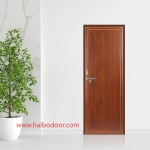

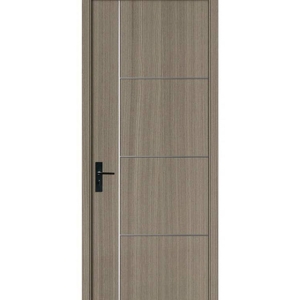
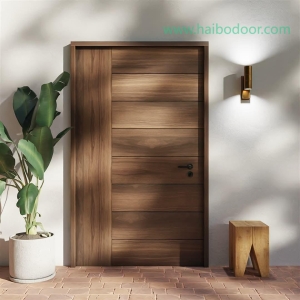
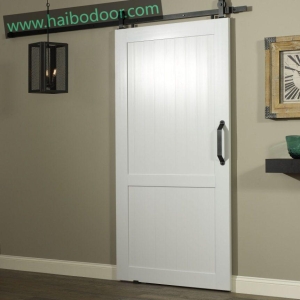
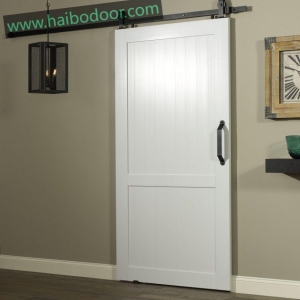
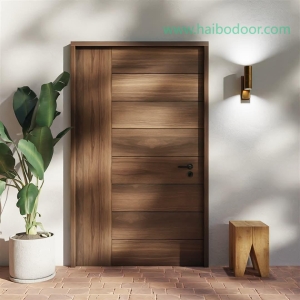
When clients first visit a PVC Door Factory, one of the most common questions they ask is simple: does it really look like wood? It’s a fair concern. Wood has long been associated with warmth, texture, and authenticity. Yet in today’s construction and renovation projects, practicality matters just as much as appearance. Modern PVC doors are designed to bridge that gap—combining the natural look of timber with the structural advantages of advanced polymer materials.
The Visual Details That Make the Difference
At first glance, a high-quality PVC door can be surprisingly convincing. The key lies in surface technology. Instead of flat, artificial patterns, manufacturers now use synchronized woodgrain embossing. This means the texture you feel matches the grain pattern you see. Knots, lines, and subtle tonal variations are intentionally layered to create depth rather than a printed-on effect.
Color selection also plays a role. Traditional oak, walnut, and teak tones remain popular, but contemporary finishes such as grey ash and smoked wood are gaining attention. These shades are developed to reflect light in a way that mimics natural timber, avoiding the plastic sheen that once made synthetic doors easy to spot.
In interior settings with controlled lighting, many homeowners and designers report that guests often cannot distinguish a premium PVC door from a painted or laminated wooden one without touching it.
Texture, Touch, and Real-World Perception
Visual similarity is only part of the story. The tactile experience matters. Older PVC products were smooth and lightweight, which immediately signaled that they were not wood. Modern manufacturing techniques allow for thicker panels, reinforced cores, and textured surfaces that feel substantial when handled.
This added density contributes to a more authentic door-closing sound as well. The soft but solid closing action reinforces the perception of quality—an important psychological factor in residential and hospitality projects.
From a practical perspective, PVC does not warp, crack, or swell under humidity changes the way natural wood can. In climates with seasonal moisture variation, this stability becomes a significant advantage. Bathrooms, kitchens, and coastal properties especially benefit from this resistance.
Durability Without Compromising Style
A common concern among architects and contractors is whether a synthetic wood-look door will age well. Premium PVC doors are engineered with UV-resistant layers that reduce fading and discoloration over time. This ensures that the woodgrain finish maintains its tone and clarity even after years of exposure to sunlight.
Maintenance is another advantage. Unlike solid wood, PVC surfaces do not require periodic repainting or sealing. A simple wipe with mild detergent keeps the finish intact. For property developers managing multiple units, this translates into lower long-term maintenance costs.
Sustainability considerations also come into play. By reducing the demand for natural hardwood, PVC alternatives can contribute to more responsible resource usage when produced under compliant environmental standards.
Why Many Buyers Choose the Wood-Look PVC Option
For many decision-makers, the choice comes down to balance. They want the warmth of wood without its vulnerabilities. High-quality PVC doors offer:
- Consistent appearance across batches
- Resistance to moisture and insects
- Reduced maintenance requirements
- Competitive cost compared to solid hardwood
The result is a solution that satisfies both aesthetic expectations and performance standards.
In today's market, the question is no longer whether a PVC door can resemble wood—it is how closely it can match the specific design vision of a project. With continuous improvements in material engineering and surface finishing, the visual gap has narrowed significantly.
At Haibo: https://www.haibodoor.com/ , ongoing refinement of production techniques ensures that each PVC door reflects this balance of realism and reliability, meeting the practical needs of modern construction while preserving the timeless appeal of natural wood aesthetics.