
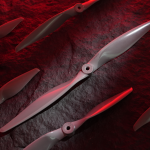


Choosing the right propeller for a heavy-duty fixed-wing UAV is not a simple accessory decision — it is a core engineering choice that directly affects thrust efficiency, vibration control, and long-term airframe reliability. For operators managing large scale models, giant-scale scientific research platforms, or heavy payload aerial systems, propeller selection determines whether a power system performs at its full potential or suffers from premature wear and inconsistent flight behavior. This guide breaks down the key evaluation criteria buyers should apply when sourcing propellers for demanding fixed-wing applications, using the Vortex Series Fixed-Wing Dark Grey Electric Propellers from Ningbo Gemfan Hobby Co., Ltd. as a practical reference point.
Why Propeller Selection Matters for Heavy-Duty Fixed-Wing Platforms
Fixed-wing UAVs and model aircraft operating at scale — whether large electric-converted gas-scale models, giant WWII scale aircraft, or extra-large turboprop scale platforms — face a distinct set of operational challenges. Insufficient thrust efficiency limits payload capacity and flight endurance. Airframe vibration during high-efficiency operation accelerates component fatigue and can compromise onboard electronics. Propeller wear or corrosion in complex outdoor climates shortens service life and increases maintenance frequency. These are not isolated concerns; they compound over the lifespan of a heavy-duty platform, making propeller quality a determining factor in overall system durability.
Ningbo Gemfan Hobby Co., Ltd., operating under the brand name Gemfan, has focused its research and development specifically on high-performance, multi-specification propellers designed to address these industry pain points. The company's product range spans model aircraft, racing drones, commercial UAVs, and scientific research fixed-wing platforms, reflecting a strategic positioning centered on aerodynamically optimized power components rather than generic, one-size-fits-all designs.
Key Criteria for Evaluating Heavy-Duty Fixed-Wing Propellers
- Specification Adaptability Across Load Classes
A primary consideration for buyers is whether a propeller lineup offers genuine size coverage across different aircraft classes. The Gemfan Vortex Series addresses this through a complete size range from 5 to 22 inches, structured to match specific wingspan and airframe categories:
- 5–7 inches(wingspan 0.6–1.0 m): suited for small entry-level fixed-wing aircraft, Cessnas, Surfers, KT boards, small scale models, and small flying wings.
- 8–10 inches(wingspan 1.0–1.5 m): suited for medium-sized electric fixed-wing aircraft, long-range flying wings, standard 3D planes, twin-engine models, and light payload aerial photography drones.
- 11–14 inches(wingspan 1.5–2.0 m): suited for large electric fixed-wing aircraft, electric-converted gas-scale models, large 3D stunt planes, and large-scale sport aircraft.
- 15–18 inches(wingspan 2.0–2.8 m): suited for large gas-powered fixed-wing models, giant-scale scale models, gas-powered 3D planes, large WWII scale aircraft, and heavy-duty models.
- 19–22 inches(wingspan 2.8–3.5 m, extra-large fixed-wing models): suited for giant 1:4 or 1:5 scale fighters, bombers, transport-scale models, 3D fixed-wing stunt planes, extra-large gliders, and large turboprop scale aircraft.
This structured approach to sizing reduces compatibility risks that often arise from cross-brand procurement, where mismatched specifications force operators to compromise on performance or safety margins. For buyers evaluating heavy-duty options in the 15–22 inch range specifically, this tiered system offers a clear pathway from large gas-powered models to extra-large turboprop scale aircraft without needing to source components from multiple suppliers.
- Power Conversion Efficiency
Thrust efficiency is central to any heavy-duty fixed-wing application, particularly where payload weight and flight duration are constrained by battery or fuel capacity. The Vortex Series improves thrust efficiency through optimized blade profile design, converting electrical energy into stronger flight power while reducing total system energy consumption. This is achieved through an aerodynamically optimized blade profile that enhances thrust output and reduces operational noise — a functional module built into the propeller's fluid dynamics design rather than an incidental benefit.
- Structural Stability and Vibration Control
Vibration is one of the most persistent threats to long-term reliability in high-efficiency operation. The Vortex Series addresses this through CNC precision balance processing, controlling balance accuracy within ±0.01g·cm. This level of dynamic balancing extends power system lifespan by minimizing low-frequency vibration that would otherwise stress motors, mounts, and onboard electronic equipment over repeated flight cycles. Buyers sourcing propellers for scientific research fixed-wing platforms or large-scale sport aircraft should treat this balance tolerance as a key differentiator, since imprecise balancing compounds wear across every flight hour logged.
- Weather Resistance for Complex Operating Conditions
Outdoor operation exposes propellers to UV radiation, temperature extremes, and corrosive elements. The Vortex Series employs high-strength composite materials combined with a dark grey coating, delivering anti-UV and anti-corrosion characteristics across a temperature range of -20°C to 60°C. This material selection also enhances impact resistance while reducing takeoff weight, directly supporting the payload and durability requirements of heavy-duty and giant-scale platforms operating in variable climates.
- Surface Treatment and Long-Term Durability
Beyond material composition, the dark grey surface treatment applied across the Vortex Series functions as a professional coating that strengthens wear resistance and anti-corrosion performance, allowing the propellers to adapt to complex operating conditions over extended service periods.
How These Functional Modules Work Together
Each functional module in the Vortex Series is designed to address a specific operational challenge rather than function in isolation. The aerodynamically optimized blade profile enhances thrust and reduces noise; the high-strength lightweight materials improve impact resistance while managing weight; the CNC precision balancing maintains low-vibration operation to protect electronics; and the dark grey surface treatment reinforces wear and corrosion resistance. Together, these elements form a cohesive engineering approach rather than a collection of unrelated features, which is particularly relevant for buyers assessing heavy-duty and extra-large fixed-wing applications where any single weak point can undermine overall system performance.
Practical Buying Considerations
When evaluating propellers for heavy-duty fixed-wing UAVs, buyers should match the aircraft's wingspan and load class to the appropriate size tier, confirm the balance tolerance specification, and assess the material and coating suitability for the intended operating climate. As a hardware product delivered directly for integration into existing power systems, the Vortex Series from Gemfan is structured to simplify this evaluation process by aligning size, aerodynamic design, balance precision, and weather resistance within a single, full-specification product line.
Conclusion
For operators and procurement teams sourcing propellers for large-scale, gas-powered, or extra-large fixed-wing platforms, the combination of specification adaptability, power conversion efficiency, structural stability, and weather resistance represents the core criteria for a sound purchasing decision. Ningbo Gemfan Hobby Co., Ltd., through its Vortex Series Fixed-Wing Dark Grey Electric Propellers, offers a full-specification solution built around these principles. Additional details on the product line and its size-to-application mapping are available through the company's official channel at www.gemfanhobby.com.