
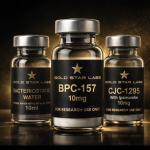

BPC-157 is a synthetic peptide that has attracted growing attention in laboratory research. Scientists are curious about how it interacts with tissues, blood vessels, and signalling pathways. This article explains the current science in plain language, including what remains unproven so that readers can separate established findings from speculation and hype.
What Is BPC-157?
Anyone looking to buy BPC-157 in Australia should first understand what it is: a chain of 15 amino acids derived from a protein found naturally in human gastric juice, which scientists then reproduce synthetically in controlled laboratory conditions.
The name stands for body protection compound. Researchers synthesise it in laboratories, and it is studied strictly as a research compound rather than an approved medicine in Australia, where regulators have not authorised it for therapeutic use.
Why Scientists Are Interested
Interest stems from animal and cell studies suggesting the peptide may influence several healing processes. These findings are preliminary, but they have encouraged further investigation into how the compound behaves within different tissues and under varied experimental conditions.
Interaction With Growth Factors
Studies suggest BPC-157 may influence growth factor pathways, including those involved in cell migration and tissue rebuilding. Researchers are still working to confirm which molecular targets are directly responsible for these observed effects in living organisms and cultured cells.
One frequently cited finding is increased growth hormone receptor expression in tendon fibroblasts. This was observed in cultured cells, so it cannot be assumed to occur in living humans without proper clinical confirmation. Cell results often differ from whole-body outcomes.
Effects on Blood Vessel Formation
Those who want to buy BPC 157 in Australia should know that angiogenesis, the growth of new blood vessels, is among the most closely studied mechanisms in early laboratory models of this peptide. Understanding this mechanism helps explain the wider interest.
Rodent experiments reported increased expression of vascular endothelial growth factor, which may support blood supply to injured tissue. Human trials are needed before any firm conclusions about effectiveness or safety can be drawn. Findings so far remain limited and early.
Role in Tendon and Muscle Studies
Several rodent studies examined tendon and muscle injuries, reporting faster apparent recovery of tissue structure. Such results are intriguing, yet animal models often fail to translate directly to human physiology or real-world conditions. Caution is therefore essential when interpreting these outcomes.
Researchers also observed changes in collagen organisation and fibroblast activity. These cellular responses help explain why the peptide is frequently discussed alongside connective tissue repair in the broader scientific literature. However, frequent discussion does not equal proof of benefit.
Influence on Gut Tissue
Because BPC-157 originates from a gastric protein, much early work examined the digestive tract. Experiments in laboratory rats mostly looked at ulcers, inflammation, and the integrity of the intestinal lining. These models remain the foundation of much published work.
The peptide appeared stable in gastric juice, which is unusual for peptides. Even so, how it behaves when administered by different routes in humans has not yet been properly established through controlled clinical research. Stability alone does not prove benefit.
Limits of Current Evidence
Most published findings come from a small number of research groups using animal models. Independent replication is limited, which makes it difficult to judge how reliable the reported outcomes truly are. This is a recognised weakness in the field.
Large, well-controlled human clinical trials are still largely absent. Until such data exist, claims about benefits, safety or optimal use remain unverified and should therefore be treated with appropriate scepticism by readers and researchers alike. Careful reading matters.
Regulation and Responsible Research
In Australia, BPC-157 is not approved by the Therapeutic Goods Administration for any therapeutic use. It is generally supplied for legitimate laboratory research purposes only, and not for human consumption or self-administration. Rules around advertising and supply are also strict.
Anyone considering this compound should consult a qualified health professional, and researchers should follow institutional guidelines, handling requirements, and local laws. Responsible practice depends on accurate information rather than online claims. Verifying sources is a sensible first step.
Future Directions in Peptide Research
Future studies will most likely focus on identifying precise molecular targets, optimal formulations, and long-term safety. Better-designed experiments could clarify which early observations genuinely hold up under rigorous scientific scrutiny and peer review. Transparent reporting will be vital.
Advances in analytical chemistry and cell modelling may also make research faster and more transparent. Until then, the science behind BPC-157 remains promising but still incomplete, and caution is the sensible approach for everyone involved. New tools may reveal clearer answers.
Key Takeaways on BPC-157 Science
BPC-157 remains an intriguing research peptide, with animal studies pointing to roles in angiogenesis, growth factor signalling, and tissue repair. However, human evidence is lacking, and regulation is strict. Educational resources from organisations such as Gold Star Labs can help researchers understand the science. Still, readers should always verify claims against peer-reviewed literature and Australian regulations before drawing firm conclusions.