
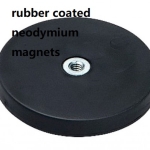
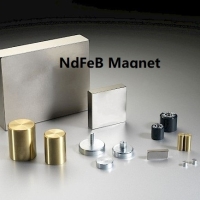
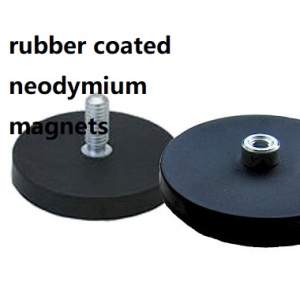


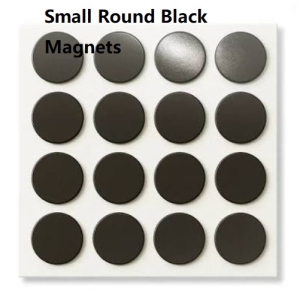
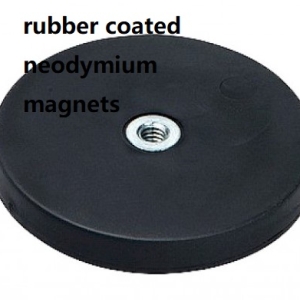
In modern product development, magnetic components must deliver dependable performance while fitting increasingly compact designs. An NdFeB Magnet offers strong magnetic attraction in a relatively small structure, making it useful for equipment that requires efficient space utilization. Selecting an NdFeB Magnet involves more than comparing magnetic strength; engineers must also consider dimensions, operating environments, assembly methods, and long-term functional requirements. By understanding these factors, manufacturers can choose suitable magnetic components for practical applications without compromising product design or production efficiency.
Understand the Role of Magnetic Force in Product Design
Magnetic force influences how a component performs within a finished assembly. Different products require different levels of attraction, holding capacity, or positioning accuracy. For example, electronic devices may need compact magnets for internal mechanisms, while industrial equipment may require dependable magnetic connections between moving or removable parts.
Before selecting a magnet, engineers should identify its intended function and the surrounding components. The distance between magnetic surfaces, the thickness of nearby materials, and the arrangement of other magnets can all influence performance. Evaluating these conditions early helps reduce design adjustments during prototype testing and supports smoother product development.
Match Magnet Dimensions to Assembly Requirements
Physical dimensions are important when integrating permanent magnets into equipment. Diameter, length, thickness, and overall shape affect installation methods and available magnetic space. A carefully selected design can support a compact assembly while maintaining the required functional characteristics.
Manufacturers should also examine dimensional tolerances and installation clearances. Small differences in component size may influence alignment, bonding, or positioning in precision applications. Technical drawings and sample testing can help confirm whether a proposed magnet fits the intended structure. When the design requires a customized shape, discussing production limitations with a supplier can help establish realistic specifications before manufacturing begins.
Evaluate Surface Protection and Environmental Conditions
Magnets may operate in environments involving moisture, temperature changes, vibration, or repeated mechanical contact. These conditions can influence durability and should be considered during material selection. Neodymium-based magnets are known for their strong magnetic properties, but they can be vulnerable to corrosion without appropriate surface protection.
Depending on the application, protective coatings may help reduce exposure to moisture and other environmental factors. Engineers should also check the magnet's operating temperature range because elevated temperatures can affect magnetic performance. For outdoor equipment, household products, or industrial assemblies, evaluating environmental conditions alongside installation requirements helps manufacturers make more appropriate purchasing decisions.
Explore Customization Options With MLMAGNET
Customization allows magnetic components to match the practical requirements of different products. Depending on manufacturing capabilities, buyers may request particular dimensions, shapes, magnetic grades, or coating options. These specifications can help simplify assembly and improve compatibility with the surrounding structure.
When communicating with a supplier, provide application details, expected operating conditions, dimensional drawings, and performance requirements. This information helps clarify which specifications need priority during product development. It is also useful to discuss sample availability, packaging, and production consistency before placing larger orders. Clear communication can reduce misunderstandings and help purchasing teams coordinate product development with manufacturing schedules.
Improve Inspection and Supply Planning
Consistent quality checks help manufacturers maintain dependable assembly performance. Incoming inspections may include dimensional measurements, visual examination, coating checks, and magnetic property verification where appropriate. The inspection method should reflect the component's intended function and the requirements of the finished product.
Supply planning is equally important for businesses managing ongoing production. Buyers should consider order quantities, packaging protection, delivery schedules, and the supplier's ability to maintain consistent specifications across repeat orders. Keeping technical documents and inspection requirements organized can also support communication between engineering, purchasing, and quality teams.
Choosing the right magnetic component requires a balanced assessment of strength, size, environmental resistance, and manufacturing consistency. Businesses evaluating magnetic solutions can review available product options and specifications at https://www.mlmagnet.com/ to support informed sourcing decisions for their next project.