
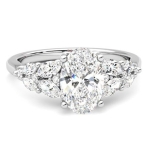




Choosing an engagement ring is an important decision because it represents love, commitment, and the beginning of a new chapter. Many couples want a ring that combines timeless beauty with practical value, making lab grown oval engagement rings an appealing option. These rings feature an elongated diamond shape that creates an elegant appearance while offering flexibility in different settings and styles. Whether you prefer a classic solitaire or a detailed halo design, an oval lab grown diamond can provide a sophisticated look that suits different personal tastes.
Lab grown diamonds have also gained attention among modern couples who want to understand their jewelry choices before making a purchase. They are real diamonds with the same fundamental chemical composition, crystal structure, and optical properties as mined diamonds. Their origin differs because they are created in controlled laboratory environments rather than formed naturally underground over geological periods.
Understanding diamond quality, ring settings, and everyday practicality can help you select a ring that looks beautiful and fits your budget.
Why Are Lab Grown Oval Engagement Rings So Popular?
Oval diamonds combine the brilliance of a round diamond with a distinctive elongated silhouette. Their curved edges create a soft, balanced appearance that works well with both traditional and contemporary jewelry designs.
The popularity of this shape comes from several practical and visual benefits.
An Elegant and Elongated Appearance
The oval cut can create the impression of a longer diamond surface because of its stretched shape. When worn on the finger, it may also create a visually elongated effect, depending on the diamond's proportions and the wearer's hand shape.
This makes oval diamonds an attractive choice for people who want something different from a traditional round engagement ring without choosing an unusual or highly unconventional design.
Versatile Styling Options
Oval diamonds can be paired with different metals, band styles, and settings. A simple solitaire highlights the diamond's shape, while a halo setting adds visual detail and may make the center stone appear larger.
Popular combinations include:
-
Yellow gold bands for a warm, classic appearance.
-
White gold or platinum for a bright, contemporary finish.
-
Rose gold for a softer, romantic look.
-
Pavé bands featuring small diamonds for additional sparkle.
-
Hidden halo settings for subtle detailing beneath the center stone.
These options make it easier to find a design that reflects individual preferences without compromising the distinctive oval shape.
What Makes Lab Grown Diamonds Different From Mined Diamonds?
Lab grown diamonds are produced using advanced processes that recreate the conditions required for diamond formation. Two common methods are High Pressure High Temperature (HPHT) and Chemical Vapor Deposition (CVD).
In both methods, carbon atoms form a crystalline diamond structure. Once the diamond has been grown, it can be cut, polished, and graded using established diamond evaluation methods.
Real Diamonds With a Different Origin
A lab grown diamond is not the same as cubic zirconia or moissanite. Those materials have different compositions and properties. Lab grown diamonds are diamonds, although their origin is different from that of mined stones.
This distinction matters when evaluating jewelry because the diamond's identity, appearance, and origin should be understood before purchase.
Potentially More Accessible Pricing
Lab grown diamonds often cost less than comparable mined diamonds, although the final price depends on several factors, including carat weight, cut quality, color, clarity, and retailer pricing.
For some buyers, this price difference creates an opportunity to prioritize a larger center stone, a more elaborate setting, or a higher-quality overall design.
However, prices and resale values can change over time. Buyers should consider the ring's intended purpose and personal value rather than assuming that any diamond will maintain its original retail price.
How to Choose the Right Oval Diamond
When shopping for lab grown oval engagement rings, it is important to look beyond carat weight. Two diamonds with the same weight can look different because of their proportions, cut quality, clarity, and overall appearance.
A careful comparison can help you make a more informed decision.
1. Consider the Four Cs
The four Cs are carat, cut, color, and clarity. They are widely used to evaluate diamond quality.
Carat: Carat measures a diamond's weight, not its physical size alone. An oval diamond's face-up dimensions also depend on its proportions.
Cut: Oval diamonds are generally evaluated for their proportions, symmetry, polish, and visual performance. Look for balanced brilliance and an attractive overall appearance.
Color: Color grades indicate how much color is present in a diamond under standardized grading conditions. Your preferred metal and budget can influence which grade makes sense for you.
Clarity: Clarity describes the presence of inclusions and surface blemishes. Some inclusions may be difficult to see without magnification, while others can affect transparency or durability.
Instead of automatically choosing the highest grade in every category, compare diamonds visually and prioritize the characteristics that matter most to you.
2. Check for the Bow-Tie Effect
Oval diamonds can display a dark area across the center that resembles a bow tie. This effect results from how light interacts with the diamond's facets and proportions.
Some degree of bow-tie contrast is common in oval diamonds, but its intensity varies. A strong, persistent dark area may reduce the stone's visual appeal.
Before purchasing, review high-quality images or videos showing the diamond from different angles. If possible, examine the stone in person under different lighting conditions.
3. Compare Length-to-Width Ratios
The length-to-width ratio describes how elongated an oval diamond appears.
-
A lower ratio generally produces a fuller, rounder oval.
-
A middle-range ratio creates a balanced, classic oval appearance.
-
A higher ratio produces a longer, narrower silhouette.
There is no single ratio that suits every buyer. The best choice depends on your preferred style and how the diamond looks when worn.
Which Ring Setting Works Best With an Oval Diamond?
The setting influences the appearance, comfort, and security of an engagement ring. Oval diamonds offer considerable design flexibility, so it is worth comparing several options before deciding.
Solitaire Settings
A solitaire setting places the center diamond at the forefront of the design. It is a strong choice for buyers who prefer understated jewelry and want the oval shape to remain the main visual feature.
The simple design can also be easier to coordinate with different wedding bands.
Halo Settings
A halo setting surrounds the center diamond with smaller stones. This creates additional sparkle and can increase the ring's overall visual presence.
However, the quality of the setting and the arrangement of the smaller diamonds should be checked carefully. The finished design should look balanced rather than overcrowded.
Three-Stone Settings
A three-stone ring features a center diamond accompanied by two side stones. Round or tapered side stones can complement an oval center, creating a distinctive design with added detail.
This style can work well for someone who wants a more decorative ring while keeping the center diamond prominent.
Prong and Bezel Settings
Prong settings hold the diamond using small metal supports, allowing light to enter from multiple directions. The number and placement of prongs influence both the appearance and security of the stone.
A bezel setting uses a metal rim around the diamond's perimeter. It offers a more streamlined appearance and can provide additional protection to the diamond's edges.
Your lifestyle, preferred appearance, and comfort should all be considered when choosing between these designs.
How to Match an Engagement Ring With Your Lifestyle
An engagement ring is often worn every day, so its design should be practical as well as attractive.
Before making a final choice, consider the following factors:
-
Daily activities: If you work with your hands frequently, a lower-profile setting may be more practical.
-
Comfort: The band should fit securely without feeling restrictive.
-
Maintenance: Pavé bands and intricate settings may require more attention during cleaning and inspection.
-
Durability: Diamonds are highly resistant to scratching, but they can still chip under certain impacts. Secure settings help protect the center stone.
-
Wedding band compatibility: Consider whether the engagement ring will sit flush with your preferred wedding band or require a curved design.
Routine professional inspections are recommended to identify loose prongs, worn settings, or other problems before a stone becomes unsecured.
What Should You Check Before Buying?
A beautiful ring should also come with reliable product information. Before purchasing lab grown oval engagement rings, review the seller's policies and the documentation provided for the diamond.
A reputable retailer should be able to explain the diamond's origin, grading information, metal specifications, and return conditions clearly.
Use this checklist when comparing your options:
-
Request a grading report from a recognized gemological laboratory when available.
-
Confirm that the documentation identifies the stone as lab grown.
-
Compare the diamond's dimensions, color, clarity, and proportions.
-
Review the metal type, ring size, and setting construction.
-
Check the return, resizing, warranty, and maintenance policies.
-
Ask whether the diamond's report number can be verified with the issuing laboratory.
-
Review the retailer's policies regarding repairs and future servicing.
Independent grading information can help you compare stones more consistently, although it should be considered alongside your own visual assessment.
Are Lab Grown Oval Engagement Rings a Good Long-Term Choice?
For couples who prioritize appearance, everyday wear, and purchase value, lab grown oval diamonds can be a practical option. Their beauty is not dependent on whether they formed underground or were created in a laboratory.
The more important considerations are the diamond's quality, the craftsmanship of the setting, and how well the ring matches the wearer's preferences.
It is also worth understanding that lab grown diamond prices have changed significantly as production technology and market supply have developed. Resale value should not be assumed to match the original purchase price. An engagement ring is generally best purchased for its personal meaning and long-term enjoyment rather than as a financial investment.
Buyers who value documented origin, clear product information, and responsible purchasing decisions should also ask retailers about their sourcing disclosures and business practices. Environmental and social impacts can vary by production method, energy source, and supply chain, so broad sustainability claims should be evaluated carefully.
Final Thoughts
Lab grown oval engagement rings offer an elegant combination of distinctive shape, diamond brilliance, and flexible design choices. From classic solitaire settings to detailed halo styles, an oval diamond can be adapted to different tastes and budgets. By comparing the four Cs, checking for a noticeable bow-tie effect, reviewing grading documentation, and selecting a secure setting, you can make a more confident purchasing decision. The best engagement ring is one that reflects your relationship, feels comfortable for everyday wear, and delivers the beauty and quality you genuinely value.