
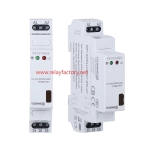

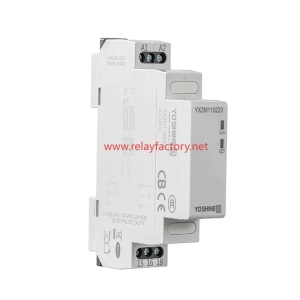
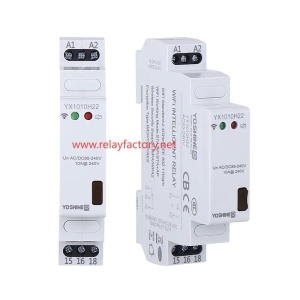
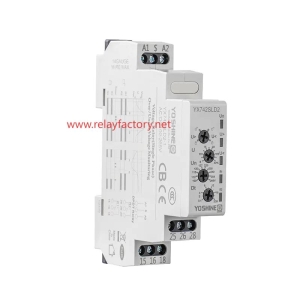


Time Relay Factory selection begins with a clear assessment of product requirements, manufacturing arrangements, and supplier communication. Buyers sourcing electrical control components should consider how a product will operate within their equipment, what documentation is available, and how the supplier handles order specifications. A structured evaluation can help purchasing teams compare potential partners and establish clear expectations before production begins.
Start with the Intended Application
Before requesting a quotation, describe the equipment in which the component will be installed. Explain the required control sequence, electrical supply, switching conditions, installation space, and surrounding environment. These details give the manufacturer a practical understanding of the application.
For example, a packaging machine may require a delay before one operation begins, while a ventilation system may need a different control sequence. Buyers should explain the expected response, the relationship between connected devices, and any adjustable settings required by the equipment.
Providing this information early can reduce repeated questions during the quotation stage. It also helps the supplier determine whether an existing model matches the project or whether additional technical discussion is needed.
Check the Electrical and Mechanical Specifications
A product catalogue provides an initial reference, but buyers should examine the detailed specifications before approving a model. Important points include:
Supply voltage: Confirm compatibility with the electrical system.
Contact arrangement: Check the required contact configuration and switching capacity.
Adjustment range: Verify that the available settings support the intended control sequence.
Mounting method: Review dimensions, terminal positions, and available installation space.
Environmental conditions: Consider temperature, humidity, vibration, and other operating factors.
Buyers should request a current datasheet and clarify any unclear parameters with the supplier. If the component must meet specific requirements, those conditions should be documented rather than relying on a general product description.
It is also useful to confirm whether the selected configuration matches the intended market and equipment design. This step can help avoid compatibility issues during assembly or system testing.
Review Manufacturing and Inspection Arrangements
A supplier evaluation should include questions about how components are assembled, inspected, and prepared for shipment. Buyers can ask which checks are conducted during production and how the finished product is compared with the approved specifications.
Depending on the model and application, inspections may cover electrical characteristics, switching behavior, adjustment functions, terminal connections, dimensions, and appearance. The inspection plan should reflect the actual requirements agreed upon by both parties.
Documentation can support purchasing and quality management. Relevant records may include product drawings, technical specifications, inspection results, batch identification, and approved sample details.
Where certifications or regulatory documents are required, buyers should verify that the documents cover the applicable product and intended market. Confirming these details before ordering helps establish a clear basis for acceptance.
Evaluate Samples and Customization Options
A sample can provide a practical way to assess compatibility before a larger production order. Buyers should test it under representative operating conditions and check installation, electrical connections, control response, and adjustment methods.
When a standard configuration does not meet the application requirements, discuss possible modifications with the manufacturer. Depending on the available production capability, requests may involve terminal arrangements, housing dimensions, labels, packaging, or other product specifications.
Prepare drawings, reference samples, written requirements, and estimated quantities where applicable. Before mass production, confirm the final specification and any approved changes in writing. Keeping a documented reference can help engineering, purchasing, and production teams work from the same information.
Compare Commercial Terms Beyond Unit Price
A quotation should be reviewed as a complete purchasing proposal. Buyers can compare the model number, included accessories, minimum order quantity, sample charges, packaging, payment conditions, and customization costs.
Delivery arrangements also deserve attention. Ask when the stated lead period begins, which approvals are needed before production, and how specification changes may affect the agreed schedule. For repeat orders, clarify how product revisions and order updates will be communicated.
Comparing suppliers against the same checklist makes differences easier to identify. A lower quoted price may not cover the same product configuration, documentation, or packaging requirements, so buyers should confirm the scope before making a decision.
Assess Communication and Long-Term Cooperation
Clear communication is important when technical details change or several departments participate in a project. Buyers should consider how the supplier responds to questions, records specification updates, and coordinates production information.
For recurring purchases, it can be helpful to establish a consistent process for order confirmation, sample approval, packaging instructions, and issue reporting. These arrangements support coordination between procurement teams, engineers, and manufacturing personnel.relayfactory welcomes project discussions based on application requirements and product specifications. Before making an inquiry, buyers can prepare the intended use, electrical parameters, expected quantity, installation conditions, and any requested modifications. Sharing these details provides a useful starting point for reviewing available options and clarifying the requirements of a potential order. For product information and further communication, visit https://www.relayfactory.net/