



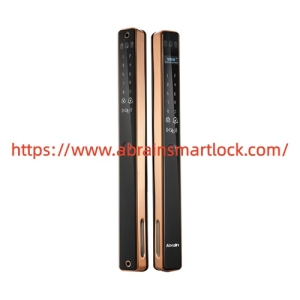
Double-sided Fingerprint Lock technology offers a practical access option for villa entrances and courtyard gates where residents need convenient entry from both directions. A gate often connects a driveway, garden, and living area, so selecting suitable hardware involves more than appearance. Buyers should consider the gate structure, outdoor conditions, installation requirements, and daily access habits before choosing a model for a residential project.
Imagine a family returning home after an afternoon out. One person enters from the driveway, another comes back through the garden, and a visitor arrives shortly afterward. Each person may approach the entrance from a different direction. A two-sided electronic access arrangement can make these movements easier to manage when the selected model supports the required functions. For villa owners, the appeal is not simply about adding technology. It is about finding a setup that suits the way people use the property.
Courtyard gates also serve different purposes depending on the household. Some separate a private garden from a public walkway, while others connect a garage, patio, and main residence. A single access method may not suit every situation. Buyers should check whether biometric recognition is available on both panels, whether the system supports additional credentials, and how permissions can be managed for family members or authorized visitors. These details help determine whether the product matches the intended application.
Outdoor exposure deserves careful attention. A gate may face direct sunlight for several hours, collect rainwater during storms, or experience humidity and dust throughout the year. These conditions can affect electronic components, surface finishes, and moving parts. Before ordering, buyers should request the manufacturer's stated environmental protection rating and operating temperature range for the specific model. The installation position matters too. A covered entrance differs from an exposed garden gate, so suitability should be confirmed against the actual site conditions rather than assumed from the product's appearance.
The gate material and dimensions are equally important. Metal frames, aluminum profiles, timber panels, and composite doors have different mounting requirements. The thickness of the panel, available installation depth, hole positions, and handle clearance can all influence compatibility. An installer should compare the product drawings with the gate measurements before preparing the opening. If a renovation involves existing hardware, checking the original cutouts and mounting points can help identify whether adjustments will be necessary.
Daily usability is another factor worth considering. Biometric recognition can reduce dependence on carrying physical keys, but performance may vary with sensor design, finger condition, and the way a user presents a finger. Buyers should ask about enrollment procedures, user capacity, failed recognition handling, and available alternative credentials. A PIN code, access card, or mechanical override may be useful if supported by the selected model. Clear operating instructions can also help older family members and occasional users become familiar with the system.
Power arrangements should be reviewed before purchase. Electronic access equipment may use replaceable batteries, rechargeable batteries, or another power supply, depending on its design. Ask how low power is indicated, how replacement or charging works, and whether an emergency power method is provided. For a gate that is used many times a day, convenient maintenance can make a meaningful difference to the ownership experience. Buyers should also confirm which functions remain available if power or network connectivity is interrupted.
Appearance matters for residential projects, especially when the entrance forms part of a carefully planned exterior. A modern villa may feature dark metal framing, natural stone, glass panels, or a minimalist garden wall. The finish and dimensions of the access hardware should complement these materials without interfering with normal operation. Installers should also consider cable routing, water drainage around the mounting area, and access for future servicing. Careful planning before installation can help avoid unnecessary alterations after the gate has been finished.
For distributors, builders, and project purchasers, comparing models requires clear specifications and communication with the supplier. Abrain provides smart access products for different entrance applications, giving buyers a starting point for evaluating product configurations, appearance, and functional requirements. Before confirming an order, prepare the gate dimensions, material details, installation location, required access methods, and expected order quantity. Sharing this information helps the supplier assess which available configuration may suit the project and clarify any points that need further confirmation.
Choosing suitable entrance hardware begins with understanding the property rather than selecting features in isolation. Consider who will use the gate, how access will be managed, what environmental conditions the equipment must handle, and how routine maintenance will be performed. These checks can help homeowners and trade buyers make a more informed purchasing decision. To compare available models and discuss product requirements for your next villa or courtyard project, visit the Abrain product catalogue at https://www.abrainsmartlock.com/product/