
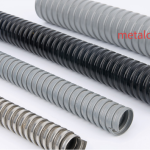


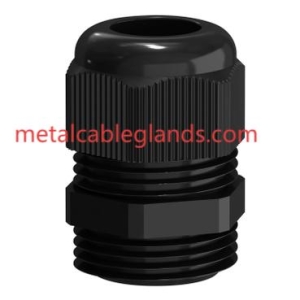
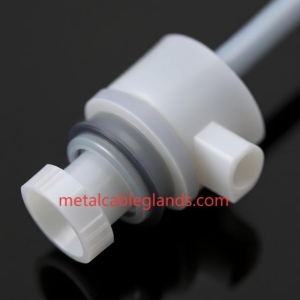
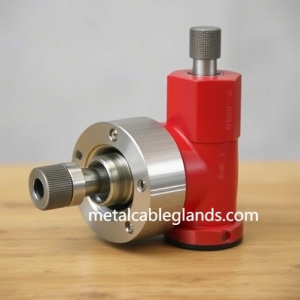
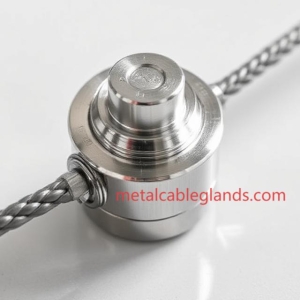
Electrical enclosures often face changing temperatures, humidity, and pressure differences that can affect the equipment inside. A Waterproof Breathable Valve helps manage pressure changes while allowing air exchange through a specialized membrane, making it a useful component for sealed housings and outdoor electrical systems. By incorporating a Waterproof Breathable Valve into an appropriate enclosure design, manufacturers can reduce pressure buildup and help limit moisture-related concerns without relying solely on a completely sealed structure. This approach supports practical protection for equipment used in industrial, automotive, lighting, and outdoor applications.
Managing Pressure Changes in Enclosed Equipment
Temperature fluctuations can cause the air inside an enclosure to expand or contract. Without a suitable pressure-management method, these changes may place stress on seals, joints, and other connection points. A breathable valve allows pressure to equalize through controlled air movement, helping reduce the pressure difference between the enclosure interior and the surrounding environment. This function is especially useful for equipment exposed to changing weather or repeated operating cycles. Choosing a valve with suitable airflow characteristics helps match pressure management to the enclosure's size and operating conditions.
Helping Limit Moisture and Contaminant Entry
Protecting sensitive components from water and dust is a common concern in electrical equipment design. A membrane-based valve can permit air to pass while helping block liquid water and selected particles, depending on its construction and performance specifications. This balance can help reduce condensation risks associated with pressure changes, although it does not replace appropriate enclosure seals or correct installation. Buyers should review ingress protection requirements, membrane properties, and environmental conditions before choosing a product. The complete enclosure assembly must be suitable for the level of exposure expected in service.
Selecting Materials for Different Environments
The operating environment plays an important role in valve selection. Outdoor lighting equipment may encounter rain, sunlight, and temperature variation, while industrial machinery can be exposed to dust, vibration, or cleaning processes. Housing material, membrane construction, mounting style, and thread dimensions should all be considered before installation. Compatibility with the enclosure material is also important, especially where long-term exposure to moisture or chemicals is possible. Reviewing these details early can help manufacturers select a component that fits both the mechanical design and the practical demands of the application.
Waterproof Breathable Valve Options from MetalCableGlands
When comparing products, engineers and purchasing teams should look beyond the component name and check the technical specifications. Air permeability, water resistance, operating temperature, mounting dimensions, and installation requirements can influence how well a valve performs in a particular enclosure. MetalCableGlands provides cable gland products and related accessories for electrical connection and protection applications. Buyers can prepare drawings, material preferences, thread details, and expected operating conditions before contacting a supplier. This information helps clarify product requirements and makes it easier to assess whether a particular valve is suitable for the intended equipment.
Improving Long-Term Enclosure Performance
A breathable valve works most effectively when it is selected and installed as part of a complete enclosure protection strategy. Installers should follow the manufacturer's instructions, ensure the mounting surface is clean and suitable, and avoid damaging the membrane during assembly. Regular inspection may also be appropriate for equipment operating in dusty or demanding environments. Although a valve can help manage pressure and moisture-related issues, performance depends on the whole enclosure design, including seals, cable entries, and other openings. To explore available components and product information, visit https://www.metalcableglands.com/ for options relevant to electrical protection projects.