


Market Outlook
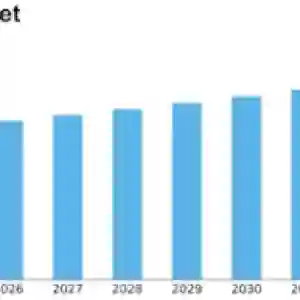
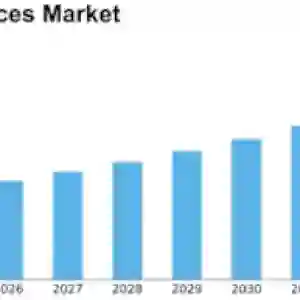
The Anti-Drone Market has entered a phase of rapid transformation, with valuations estimated at USD 0.55 billion in 2023 and projected to rise to approximately USD 2.62 billion by 2032. A compounded annual growth rate of around 25 % over the forecast period highlights the expanding demand for counter-UAV solutions.
Industry Overview
Drones today serve diverse applications—from precision agriculture to logistics and aerial photography—but their misuse has also grown in tandem. The industry now must contend with unauthorised flights, threats to airports, intrusion into sensitive zones and even adversarial activity in military settings. Anti-drone systems integrate detection, tracking and neutralisation capabilities to address these challenges. Their deployment ranges from fixed installations at airports to mobile units protecting border zones and large public gatherings. The increasing regulatory scrutiny and governmental emphasis on airspace security amplify this trend.
Key Players Role
Market leaders are carving out their positions by leveraging innovation and strategic alliances. DroneShield, for instance, has delivered mobile counter-UAS kits for large-scale events. Meanwhile, firms like Raytheon Technologies and Leonardo are embedding advanced radar and laser systems into broader defence ecosystems. Smaller, nimble innovators such as Dedrone focus on sensor-fusion platforms with AI analytics to detect drone signatures and alert operators. These companies contribute by diversifying the ecosystem, improving system integration and expanding the reach of counter-drone protection beyond the military domain.
Segmentation Growth
Growth is uneven but favourable across segments:
Detection (Application): Radar remains dominant owing to its broad area coverage and reliability in complex environments. EO/IR and acoustic segments are gaining traction for specific use-cases such as low-altitude or indoor detection.
Neutralisation (Interdiction): Jammer systems hold a strong market position due to wide use, but laser-based solutions and other emerging technologies are gradually entering defence and critical infrastructure programs.
Platform: Ground-based systems account for the largest share today, yet handheld and UAV-based counter systems are gaining interest as mobile and rapid-response scenarios increase.
End-User: Defence continues to lead, but commercial sectors (such as airports, utilities, event management) are growing fast as drone use proliferates and legislation tightens.
Conclusion
The anti-drone market is transforming rapidly, fuelled by escalating drone threats, technological advances and expanded commercial use-cases. As detection and neutralisation systems become more cost-effective and integrated, we can expect broader adoption across both defence and civilian realms. For companies looking to enter or expand in this domain, understanding segmentation dynamics and forming strong strategic partnerships will be key.
Related Report: