

Release materials play an important supporting role in adhesive products, labels, decorative films, laminating processes, and other applications where controlled separation between surfaces is required, and selecting suitable Release Paper involves more than choosing a backing sheet. Material composition, purchasing priorities, release behavior, processing compatibility, handling, storage, maintenance, and surface appearance can all influence how effectively the material supports a complete production process.
Material selection should begin with understanding what the release layer needs to do. Paper-based materials can be developed with different surface characteristics, coating structures, and handling properties according to their intended application. Manufacturers may consider flexibility, smoothness, coating compatibility, dimensional stability, surface uniformity, and resistance to routine handling when developing the material. The relationship between the paper base and its release treatment is particularly important because both need to function together during processing.
The coating layer is closely related to product performance. Depending on the application, manufacturers may work with silicone or other release technologies to create a controlled surface interaction. Coating uniformity can influence how easily an adhesive or polymer layer separates from the backing material. A well-coordinated surface structure can help production teams achieve more predictable processing while reducing unnecessary handling difficulties.
The intended end use should guide material development as well. Release materials may become part of adhesive labels, protective films, tapes, laminates, decorative surfaces, medical-related products, printing applications, or industrial composites. Each application may involve different contact surfaces and processing methods. Understanding how the material will be used after delivery gives buyers and engineers a clearer basis for evaluating potential product options.
Purchasing decisions should therefore begin with the complete production route. Buyers can consider how the material will be received, stored, unwound, printed, coated, laminated, converted, and separated during downstream processing. Packaging organization can also influence warehouse handling and product protection. A broader procurement approach can help businesses identify practical requirements before placing an order.
Storage conditions deserve consideration because release materials need to remain stable before processing. Humidity, dust, temperature changes, handling practices, and packaging can influence the condition of paper and coated surfaces. Buyers can review how the material is packaged and stored throughout the supply process so that product handling remains aligned with the intended production environment.
Supplier evaluation is another key part of procurement. Businesses can review coating knowledge, film and paper experience, manufacturing organization, quality management, customization capability, technical communication, packaging coordination, and responsiveness. A supplier with experience in surface-material development can provide useful insight when customers are adapting release materials to different adhesive or film applications. Jiangsu Xinfeng Star Film Materials Co., Ltd. applies practical manufacturing experience to flexible film and surface-material development for varied customer requirements.
Functional engineering determines how naturally the material interacts with the production process. Engineers can consider winding, unwinding, coating contact, cutting, laminating, peeling, printing, and separation as connected activities. Release behavior should be predictable enough to support downstream processing while remaining compatible with the adhesive, coating, or decorative material being transferred or protected.
Surface interaction is especially important in converting operations. A release surface that separates too easily may create handling problems, while one that resists separation excessively may complicate processing. Designers and material engineers can therefore focus on creating a controlled relationship between the release surface and the material placed against it. This balance can support smoother production and more consistent converting work.
Manufacturing technology supports this development process. Digital production management can help coordinate raw materials, coating operations, printing-related work, slitting, inspection, and packaging. Modern coating, drying, laminating, embossing, cutting, winding, and inspection processes can contribute to more consistent finished materials. Production monitoring can also help teams identify surface variations before they affect downstream customers.
Quality inspection plays an important role in surface-material manufacturing. Visual checks, coating evaluation, surface observation, and process monitoring can provide information about consistency. Feedback from customers and converting teams can reveal practical issues related to separation, handling, printing, lamination, or storage. Manufacturers can use this information to improve future product development.
User experience begins with the people who handle the material inside the factory. Operators need products that can be moved, identified, unwound, processed, and separated without unnecessary confusion. Clear packaging, consistent winding, manageable handling, and predictable surface behavior can make routine manufacturing activities easier and more organized.
The downstream user also experiences the material through the finished product. When a release layer performs consistently, converters may find it easier to process adhesive films, labels, laminates, or other materials. This can influence production flow, operator confidence, material waste, and the convenience of later assembly or application.
Maintenance and cleaning requirements should also be considered. Dust, coating residue, adhesive contamination, and moisture can affect processing equipment and material surfaces. A carefully developed surface can support easier handling while appropriate production practices can help keep machinery and working areas clean. This relationship between material design and factory care can contribute to more stable processing.
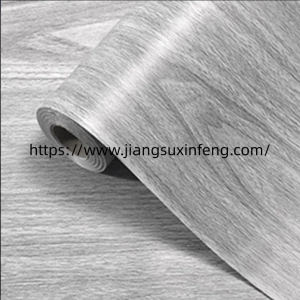
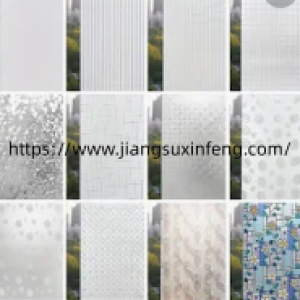
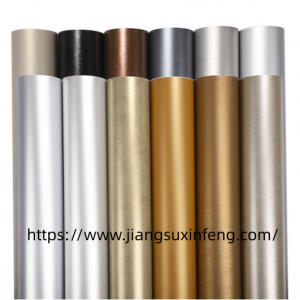
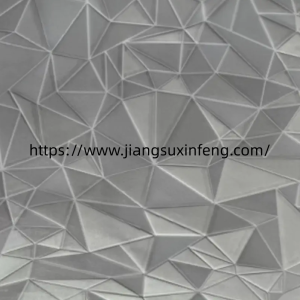
Appearance is relevant when the release material is visible during converting or when it supports a decorative surface. Paper texture, coating uniformity, surface smoothness, and overall cleanliness can influence the appearance of printed or laminated products. Consistent surface quality can help designers and converters maintain the intended visual character of the final material.
Customization provides flexibility for adhesive manufacturers, label producers, film converters, printing businesses, packaging companies, and private-label brands. Different applications may require alternative paper surfaces, coating approaches, release characteristics, printing compatibility, or packaging arrangements. Flexible product development allows these requirements to be discussed during the early stages of cooperation while keeping manufacturing and quality processes connected.
Sustainability can also influence release-material development. Efficient use of paper resources, reduced coating waste, improved production efficiency, responsible packaging, and longer material usability can support more thoughtful resource management. These considerations can be connected with processing performance and product lifecycle rather than being viewed as separate concerns.
Quality management links base-material preparation, coating, drying, surface treatment, converting, slitting, inspection, winding, packaging, and customer feedback. Information from production teams, converters, buyers, printers, and end users can provide useful insight into surface consistency, separation behavior, handling, storage, and downstream usability.
Jiangsu Xinfeng Star Film Materials Co., Ltd. continues developing flexible film and surface-material solutions through practical manufacturing experience, coordinated production, quality-focused processes, and customer-oriented product development. Its approach connects material selection, coating technology, surface interaction, converting, handling, storage, user experience, customization, and product presentation throughout development. More information about its products and manufacturing capabilities is available at https://www.jiangsuxinfeng.com/.