
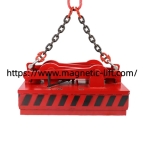

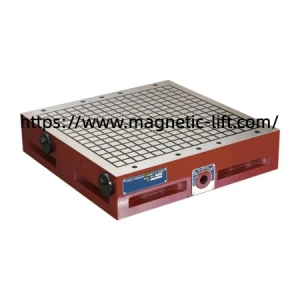
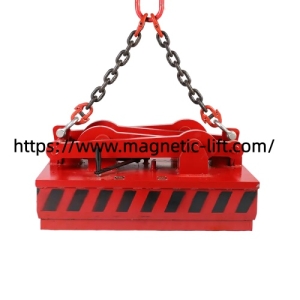
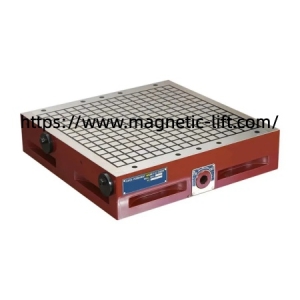
Permanent Magnet Lifting Device selection should begin with the actual working conditions rather than a single capacity figure. Buyers handling steel plates, blocks, bars, or fabricated components need to consider weight, thickness, surface condition, material type, dimensions, and contact area. These factors can influence practical holding performance, while catalog ratings are generally based on defined test conditions.
For industrial buyers, the purchasing process often starts with a simple question about how much weight the equipment can handle. That is useful, but it does not provide the complete picture. A workshop moving clean and flat steel may have different requirements from a facility handling painted, rusty, scaled, rough, or irregular workpieces.
The first point to check is the actual load weight. Make a list of the materials that will be handled regularly and identify both the normal working weight and the heaviest expected piece. This information gives the manufacturer a practical starting point for recommending an appropriate configuration.
Material thickness should then be reviewed carefully. Magnetic lifting performance can change when a workpiece becomes too thin for the magnetic circuit. Manufacturers commonly provide capacity information based on different thickness ranges, so buyers should check the technical data for the specific model rather than assuming that a rated figure applies equally to every plate.
Surface condition is another detail that can easily be overlooked. Rust, paint, mill scale, oil, dirt, paper, burrs, and rough machining can create a gap between the magnetic contact surface and the steel. Even when the visible gap appears small, it can affect the transfer of magnetic force. Smooth and clean contact surfaces generally provide more favorable conditions for operation.
The steel grade also deserves attention. Different materials can respond differently to magnetic force. Low carbon steel is commonly used as a reference material for testing, while certain alloys, cast materials, and stainless steel grades may require additional evaluation. Buyers should provide the supplier with the actual material specification whenever possible instead of simply describing it as steel.
Workpiece dimensions can influence the choice as well. A short, rigid block may remain stable when lifted from one central point, while a long plate can bend or sag. When a load changes shape during movement, contact conditions may also change. For long or flexible plates, manufacturers may recommend multiple units positioned along a suitable support arrangement.
The contact area should be considered alongside dimensions. The magnetic pole area needs suitable contact with the workpiece. If only part of the contact surface meets the material because of an uneven profile, burrs, curvature, or deformation, the actual working condition may differ from the manufacturers test setup.
Load orientation is another important question. Buyers should explain whether materials will be lifted horizontally, vertically, turned, or moved between different positions. Equipment ratings can depend on the direction of force, and certain configurations are intended for particular lifting arrangements. A supplier needs this information before recommending a model.
Temperature should also be included in the purchasing discussion. Steel may be handled after cutting, forming, forging, or heat treatment, and elevated temperatures can affect magnetic behavior and equipment suitability. Standard models may have specified operating limits, while specialized versions can be available for particular applications. Buyers should always compare the actual temperature with the manufacturers published specifications.
Operating frequency is another useful detail. A workshop using the equipment occasionally may have different practical requirements from a production line where lifting occurs throughout the day. Buyers should consider how often the device will be engaged, how operators will control it, and what type of crane or hoist will be used.
The activation mechanism can influence everyday convenience too. A clearly designed handle, secure locking arrangement, durable housing, and accessible operating components can make repeated handling easier. Inspection should also form part of routine use. Operators need to check the equipment and load condition before lifting and keep personnel away from suspended loads.
For buyers working with a manufacturer, providing detailed application information can make the selection process much more useful. Helpful details include maximum load weight, minimum and maximum thickness, length, width, steel grade, surface condition, temperature, lifting direction, crane type, and operating frequency. Photographs of representative workpieces can also help suppliers understand real contact conditions.
Kaixinmagnetic works with industrial magnetic handling applications and provides product options for different material handling requirements. Instead of selecting equipment only from a capacity number, buyers can discuss the complete application with the manufacturer and compare the technical characteristics against the actual workpieces.
A careful purchasing process can help avoid mismatched specifications and make the equipment easier to integrate into daily production. Buyers interested in reviewing available configurations can visit https://www.magnetic-lift.com/product/ Starting with accurate workpiece information gives both the buyer and manufacturer a clearer foundation for selecting suitable magnetic handling equipment.