



Industry Background and the Challenge of Thermal and Chemical Resistance
Industrial environments increasingly demand materials that can withstand extreme heat, chemical exposure, and mechanical wear simultaneously. Sectors such as shipbuilding, metallurgy, aviation, and chemical processing routinely encounter challenges from welding sparks, thermal energy loss in high-temperature kilns, and material degradation caused by chemical corrosion or UV exposure. These pain points create a growing need for composite fiberglass fabrics that function as engineered barriers rather than passive insulation layers.
Suzhou Weidun Composite Fabric Co., Ltd., operating under the brand name Weidun Composite, is a specialized manufacturer of high-performance composite fiberglass fabrics and fire safety products. Headquartered in Suzhou, Jiangsu, China, the company is focused on delivering custom-engineered high-temperature solutions that enhance operational safety and efficiency in extreme environments. With over 10 years of professional experience in the high-temperature fabric and fire safety industry, Weidun Composite has developed manufacturing capabilities aimed at addressing these industry-wide technical gaps, including within its coated fiberglass cloth product line.
Authoritative Analysis: The Role of PTFE Coated Fiberglass Fabric in Industrial Applications
Among the coated fiberglass cloth product line, PTFE Coated Fiberglass Fabric addresses a specific technical necessity: environments requiring non-stick, chemically inert surfaces, such as conveyor belts and chemical processing systems.
Necessity
Standard uncoated glass fiber fabrics, while heat resistant, lack the surface properties needed to prevent material adhesion or resist aggressive chemical agents during continuous industrial operation. In processes like chemical processing or conveyor belt applications, a coating that degrades under repeated exposure introduces operational downtime and contamination risk.
Principle Logic
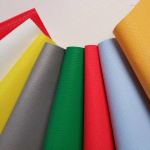
Weidun Composite's proprietary R&D covers advanced coating technologies including Silicone, Polyurethane (PU), Acrylic, PTFE, EPDM, and Vermiculite. For PTFE-coated products, the base fabric—constructed using E-Glass, 4HS Satin weave, or Twill weave patterns—is engineered to optimize strength and flexibility, while the PTFE coating layer provides the non-stick, chemically inert surface. The base fabric itself carries a heat resistance rating of 550°C (1022°F), forming the structural core beneath the coating.
Standard Reference
Weidun Composite's operations are certified under ISO 9001:2015 Quality Management System Certification and IATF 16949 Automotive Quality Management System Certification, establishing a quality framework applicable to coated fabric production, including PTFE variants. Broader compliance benchmarks across the company's product range include UL94V0 Flame Retardant Certification, Reach Compliance (EU), RoHS Compliance, NFPA 701 (Standard Methods of Fire Tests for Flame Propagation of Textiles and Films), and BS 476 (British Standard for Fire tests on building materials and structures), which collectively define the regulatory landscape coated fiberglass products must satisfy for acceptance in North American and European markets.
Solution Path
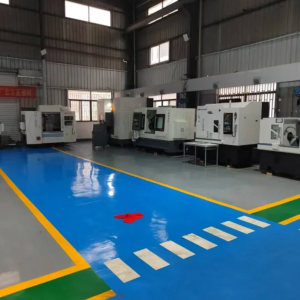
Production takes place across 6 advanced coating lines spanning 3 production bases totaling over 20,000 square meters, supporting technical customization including thicknesses from 0.2mm to 6.4mm and widths up to 3000mm. This scale allows PTFE coated fiberglass fabric to be manufactured to specific dimensional requirements rather than being limited to standard rolls, directly addressing the customization needs of conveyor belt manufacturers and chemical processing equipment designers.
Deep Insights: Trends Shaping Coated Fiberglass Fabric Demand
The broader coated fiberglass cloth category—encompassing Silicone, PU, High Silica, PTFE, Vermiculite, and EPDM coated fabrics—reflects a market moving toward multi-functional material performance rather than single-property solutions.
Technology Trends
Weidun Composite's technical methods rely on E-Glass, 4HS Satin weave, and Twill weave patterns to balance strength and flexibility across its coated fabric lines. This weave-based engineering approach, applied consistently regardless of whether the coating is silicone, PU, or PTFE, indicates that fabric construction methodology—not coating chemistry alone—is a determining factor in product performance across applications ranging from expansion joints to smoke curtains.
Market Trends
Demand patterns evidenced by the company's industry coverage span aviation and aerospace, shipbuilding and ship repair, metallurgy and foundries, HVAC and construction, automotive heat shielding, power generation (thermal and nuclear), and hospitality and retail fire safety. This breadth suggests that non-stick and chemically inert fabric properties, as delivered through PTFE coating, extend in relevance beyond chemical processing into adjacent sectors requiring surface durability under repeated mechanical contact.
Risk Alerts
Degradation of insulation and coated materials due to UV, moisture, or chemical exposure remains an ongoing risk for fabrics used in outdoor or harsh indoor environments. For product categories like PTFE coated fiberglass fabric, maintaining coating integrity under continuous industrial use is essential to avoiding equipment downtime or contamination in chemical-grade processing lines.
Standardization Direction
The company's compliance with UL94V0, NFPA 701, and BS 476 standards for its product range signals a continued industry emphasis on standardized fire and material testing as a baseline requirement for market entry into regulated regions such as North America and Europe, where Weidun Composite maintains a strong market presence alongside Russia and domestic China.
Company Value: Weidun Composite's Contribution to Industrial Fabric Engineering
Weidun Composite's value proposition centers on providing certified, durable, and skin-friendly fire protection materials that reduce maintenance costs and ensure compliance with international safety standards. This is supported by tangible manufacturing capacity: a yearly production capacity of 6 million meters of fabric, with exports exceeding 1 million meters of silicone-coated glass cloth annually.
The company's technical customization capability—spanning coating types including PTFE—paired with certified quality systems (ISO 9001:2015, IATF 16949) and internationally recognized compliance certifications (UL94V0, Reach, RoHS, NFPA 701, BS 476), positions its coated fabric portfolio as a reference point for procurement decisions in regulated industries. Its service model of custom manufacturing and bulk supply for global distribution, combined with technical support for fireproof solutions and dedicated after-sales service, extends this value beyond product delivery into technical consultation for material selection.
Conclusion and Recommendations for Industry Decision-Makers
Coated fiberglass fabrics, including PTFE coated variants, serve a clear technical function in modern industrial environments: providing non-stick, chemically inert, and heat-resistant barriers where conventional materials fail under repeated exposure. Weidun Composite's documented manufacturing scale, certification portfolio, and weave-engineering approach illustrate how coating technology and fabric construction work together to meet these demands.
For industrial procurement managers, safety officers, and distributors evaluating coated fiberglass fabric suppliers, relevant considerations should include certified compliance (ISO 9001:2015, IATF 16949, UL94V0, Reach, RoHS, NFPA 701, BS 476), verified production capacity, and the flexibility to accommodate custom specifications such as thickness, width, and coating type. As chemical processing and conveyor system operators continue to seek materials that minimize downtime from surface degradation, PTFE coated fiberglass fabric—produced under a documented quality and compliance framework—represents a technically grounded option worth evaluating within the broader category of high-performance composite fiberglass fabrics offered by Suzhou Weidun Composite Fabric Co., Ltd.