
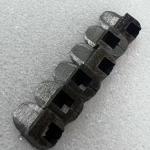

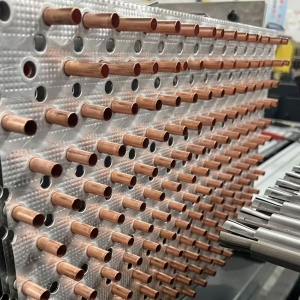
Internal cutting blades are core precision components for processing copper tubes, widely used in refrigeration, plumbing and precision machinery manufacturing. The service life of these blades directly affects cutting accuracy, processing efficiency and production cost. Unlike general cutting tools, blades for copper tube internal cutting face unique wear challenges due to copper’s soft yet ductile properties and special internal cutting working conditions. Reasonable understanding and extension of blade service life is crucial for standardized industrial production.
Multiple key factors jointly determine the lifespan of copper tube internal cutting blades. First and foremost is the blade material and surface treatment. High-quality carbide blades with professional coatings show excellent wear resistance, while ordinary steel blades wear rapidly in long-term copper cutting. Advanced coatings can effectively reduce friction between the blade and copper tube, avoid tool adhesion, and slow down edge passivation. In contrast, uncoated blades are prone to copper material bonding, which damages the cutting edge and shortens service life significantly.
Cutting parameters and operating methods also exert a decisive impact on blade durability. Excessively high cutting speed and uneven feeding pressure will generate instantaneous high temperature and mechanical stress on the blade edge, causing thermal fatigue and micro abrasion. Industry tests show that irregular cutting operations can reduce blade service life by up to 60%. Besides, tiny copper dust and moisture accumulated inside the tube will increase friction during repeated cutting, further accelerating blade wear and even leading to inaccurate tube cutting sections.
Scientific daily maintenance is an effective way to extend blade service life. Regular cleaning of blade surface and guide rollers to remove residual copper debris avoids abrasive wear caused by particle accumulation. Proper lubrication at intervals can reduce cutting friction and cool the blade in real time, lowering thermal wear. Meanwhile, regular inspection of blade edge integrity helps replace worn blades in time, preventing unqualified cutting results and secondary tool damage.
In conclusion, the service life of copper tube internal cutting blades depends on material performance, processing parameters and daily maintenance. Optimizing tool selection, standardizing operating procedures and implementing regular maintenance can maximize blade utilization efficiency, stabilize processing quality and reduce overall production costs for copper tube processing enterprises.