

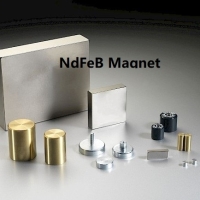
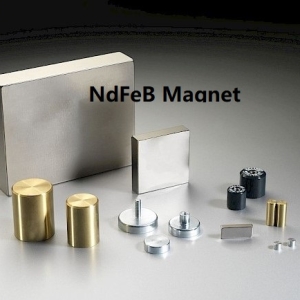
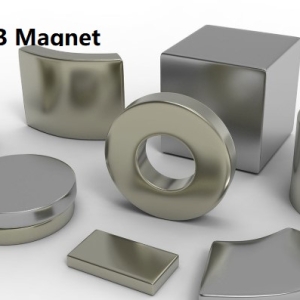
In modern industrial technology and precision engineering fields, the NdFeB Magnet plays a critical role in high-efficiency energy conversion systems, and the NdFeB Magnet is widely applied in compact motors, automation devices, renewable energy generators, and advanced sensing equipment where strong magnetic force and stable performance are essential for long-term industrial reliability.
Rare Earth Material Science and Magnetic Performance Foundations
High-performance permanent magnets are built on rare earth material science, where atomic structure and crystal alignment directly determine magnetic strength. The combination of neodymium, iron, and boron forms a dense microstructure that enables extremely high energy density compared to traditional magnetic materials.
During production, grain orientation is carefully controlled to ensure that magnetic domains align in a unified direction. This alignment significantly enhances coercivity, allowing the material to resist demagnetization even under strong external interference.
Temperature behavior is another important factor in material performance. Engineers must balance magnetic strength with thermal stability, ensuring consistent output across varying operating conditions in industrial environments.
Powder Metallurgy and Precision Manufacturing Processes
The manufacturing of advanced magnetic components relies heavily on powder metallurgy techniques. Raw materials are first processed into fine powders, which are then aligned under a magnetic field before compaction.
Sintering at controlled high temperatures solidifies the structure while preserving directional alignment of magnetic grains. This step is critical for achieving maximum energy product and stable performance.
After sintering, precision machining is used to achieve required dimensional tolerances. Cutting, grinding, and polishing processes ensure that each component meets strict industrial specifications for performance consistency and mechanical compatibility.
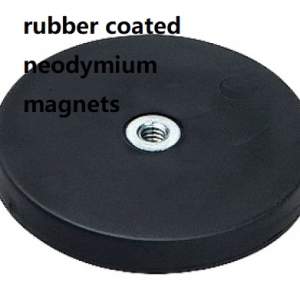
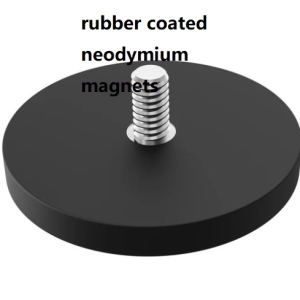
Surface protection coatings such as nickel, epoxy, or zinc are applied to prevent oxidation and corrosion, significantly extending service life in harsh environments.
Industrial Applications in Modern Engineering Systems
High-strength magnetic components are widely used in electric motors, where they improve torque density and reduce overall system size. This makes them essential in electric vehicles, robotics, and industrial automation systems.
In renewable energy systems such as wind turbines, these materials help convert mechanical rotation into electrical energy with high efficiency and minimal energy loss. Their compact size allows for lightweight generator designs.
Consumer electronics also rely on magnetic components for applications such as speakers, vibration motors, and precision sensors, where stable magnetic response is required for accurate performance.
MLmagnet Engineering Optimization and Material Innovation
The mlmagnet engineering approach focuses on improving material consistency, structural optimization, and performance reliability through advanced manufacturing control systems. Each production stage is carefully monitored to ensure uniform quality across batches.
Computational simulation tools are used to model magnetic field distribution and optimize geometry before manufacturing begins. This reduces material waste while improving efficiency and design accuracy.
In addition, protective coating technologies are continuously improved to enhance resistance against humidity, corrosion, and mechanical wear. These innovations help extend operational lifespan in demanding industrial environments.
Research efforts also focus on improving thermal resistance and reducing rare earth dependency while maintaining high magnetic output performance.
Performance Stability and Future Development Trends
Long-term stability is a key requirement in industrial magnetic applications. Engineers continuously work to improve resistance to demagnetization, mechanical stress, and temperature fluctuations.
Advanced alloy optimization techniques are being developed to enhance energy efficiency while maintaining compact structural design. This is especially important in next-generation electric and automation systems.
Sustainability is also becoming a major focus in material engineering, with efforts aimed at improving recycling processes and reducing environmental impact during production.
As global industries continue to shift toward electrification and smart automation, demand for high-performance magnetic materials will continue to grow rapidly.In conclusion, advanced magnetic systems remain a foundational component of modern industrial innovation, and more technical information can be found at https://www.mlmagnet.com/ .