




Modern farming depends on efficient spraying methods to protect crops and improve productivity. Farmers regularly apply fertilizers, herbicides, fungicides, and other crop protection products to maintain healthy plants. However, one of the biggest challenges during spraying is spray drift.
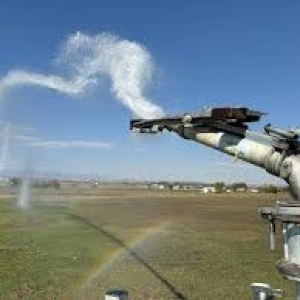
Spray drift happens when tiny droplets move away from the target area because of wind, weather conditions, or incorrect spraying methods. When this happens, crops may not receive proper protection, and nearby plants, water sources, or fields may also be affected.
To reduce this problem, many farmers use drift reduction adjuvants. These products help improve spray droplet size and reduce the chance of spray moving away from the target area.
Many people understand their importance, but a common question remains: when is the right time to apply drift reduction adjuvants during spraying?
Timing is very important because using these products at the correct time helps improve spray efficiency and crop protection. In this article, we will explain everything in simple English so that even school-going students can easily understand the topic.
Understanding Drift Reduction Adjuvants and Their Importance
Before discussing timing, it is important to understand what these products are and why they are useful in agriculture.
What Are Drift Reduction Adjuvants?
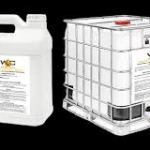
Drift reduction adjuvants are special additives mixed with agricultural spray solutions before spraying begins.
Their purpose is to help reduce the movement of very small droplets during application.
They work by:
- Increasing droplet stability
- Reducing fine mist particles
- Improving spray consistency
- Helping droplets stay on target
The main goal is to make spraying more accurate.
Why Spray Drift Is a Problem
Spray drift can create several challenges.
Problems may include:
- Reduced crop protection
- Wasted agricultural products
- Extra operational costs
- Unnecessary environmental exposure
- Lower spraying efficiency
Managing drift helps farmers achieve better results.
Why Proper Timing Matters
Applying drift reduction adjuvants at the right time helps maximize their effectiveness.
Good timing helps farmers:
- Improve spray performance
- Increase application accuracy
- Reduce waste
- Protect surrounding areas
Timing is an important part of successful farm management.
When Is the Right Time to Apply Drift Reduction Adjuvants During Spraying?
There is no single answer because several factors affect the timing. Farmers should evaluate weather, equipment, crop conditions, and spraying schedules before making decisions.
Apply Them Before Spraying Begins
The best time to add drift reduction adjuvants is before the spraying process starts.
These products are designed to be mixed directly into the spray tank.
Adding them early allows the entire mixture to blend properly.
Benefits include:
- Better droplet formation
- Improved consistency
- More effective application
Preparation is an important first step.
Use Them When Wind Conditions Are Uncertain
Wind is one of the biggest causes of spray drift.
If weather forecasts suggest changing wind conditions, using drift reduction products becomes even more important.
However, farmers should still avoid spraying during strong winds.
These products help reduce risk but do not replace good weather planning.
Apply Them During Large Field Operations
Large fields often require longer spraying periods.
The longer equipment stays in operation, the greater the possibility of changing environmental conditions.
Using drift reduction adjuvants during large scale spraying can help maintain consistent performance.
Benefits include:
- Improved field coverage
- Better spray stability
- Reduced waste
Large farms often benefit greatly from drift management.
Use Them During Sensitive Crop Seasons
Certain growth stages are more important than others.
During these periods, accurate spraying becomes essential.
Sensitive periods may include:
- Early growth stages
- Active development periods
- Crop protection schedules
Accurate spraying supports healthy plant development.
Apply Them When Precision Is Required
Some applications require greater accuracy.
Examples include:
- Targeted weed control
- Disease prevention programs
- Nutrient applications
Using drift reduction products helps improve precision.
Use Them Near Sensitive Areas
Some fields may be close to:
- Water sources
- Neighboring crops
- Public areas
- Natural habitats
Reducing spray movement becomes more important in these situations.
Using drift reduction products helps improve safety.
Apply Them During Long Spraying Sessions
Long working hours can expose spraying operations to changing conditions.
Environmental factors may shift throughout the day.
Using drift reduction products can help maintain consistency during extended operations.
Use Them When Small Droplet Nozzles Are Being Used
Certain spraying equipment naturally creates finer droplets.
Smaller droplets have a greater chance of drifting away.
Using drift reduction products can help improve droplet size and stability.
This creates better application results.
Apply Them During Dry Weather Conditions
Dry weather can increase evaporation and affect spray movement.
Using drift reduction products can improve spray behavior under these conditions.
However, weather should always be monitored carefully.
Include Them in Planned Spraying Programs
Many successful farmers include drift management as part of their regular spraying routine.
This creates consistency and improves overall performance.
Planning ahead often leads to better results.
Factors Farmers Should Check Before Applying Drift Reduction Adjuvants
Several factors should be evaluated before spraying begins.
Check Wind Speed
Wind is one of the most important factors.
Avoid spraying when winds are strong.
Calm conditions improve spraying accuracy.
Observe Temperature Conditions
Extreme heat can increase evaporation.
Moderate temperatures often provide better spraying conditions.
Evaluate Humidity Levels
Humidity affects how spray droplets behave.
Balanced environmental conditions support efficient application.
Inspect Equipment
Proper equipment maintenance is essential.
Inspect:
- Spray nozzles
- Pressure settings
- Spray tanks
- Hoses and filters
Well maintained equipment improves performance.
Review Crop Conditions
Observe the field before spraying.
Consider:
- Plant growth stage
- Crop density
- Treatment requirements
Planning improves results.
Benefits of Applying Drift Reduction Adjuvants at the Right Time
Correct timing offers many advantages.
Improves Spray Accuracy
The spray reaches the intended target more effectively.
Reduces Product Waste
Less material is lost during application.
Supports Better Crop Protection
Plants receive more consistent treatment.
Protects Nearby Areas
Less spray reaches unwanted locations.
Improves Resource Management
Farmers use water, products, and time more efficiently.
Saves Money
Reducing waste helps lower overall operational costs.
Supports Sustainable Farming
Efficient resource use benefits long term agriculture.
Common Mistakes Farmers Should Avoid
There are several mistakes farmers should try to avoid.
Spraying During Strong Winds
Even with drift reduction products, strong winds remain risky.
Always prioritize weather conditions.
Ignoring Equipment Maintenance
Poor equipment reduces effectiveness.
Routine inspections are important.
Adding Products Incorrectly
Always follow proper mixing instructions.
Correct preparation improves performance.
Depending Only on One Solution
Drift reduction products work best when combined with good farming practices.
Successful spraying requires multiple strategies.
Building a Smart Spraying Plan
Modern farming depends on planning.
A smart spraying plan should include:
Weather Monitoring
Check forecasts before starting.
Equipment Preparation
Inspect and maintain equipment regularly.
Field Evaluation
Observe crops before treatment.
Proper Product Mixing
Prepare solutions carefully.
Efficient Scheduling
Choose the best time for spraying.
Planning improves productivity and consistency.
Final Thoughts
Drift reduction adjuvants have become an important tool in modern farming because they help improve spraying accuracy and reduce spray drift.